We develop and sell applications that make theatre and film more accessible
for people with hearing or visual impairments, and for those who need foreign-language
support.
Our solution, Axity, has been developed in close cooperation with Riksteatern
(The National Touring Theatre of Sweden) and its users. It is now available at both large and
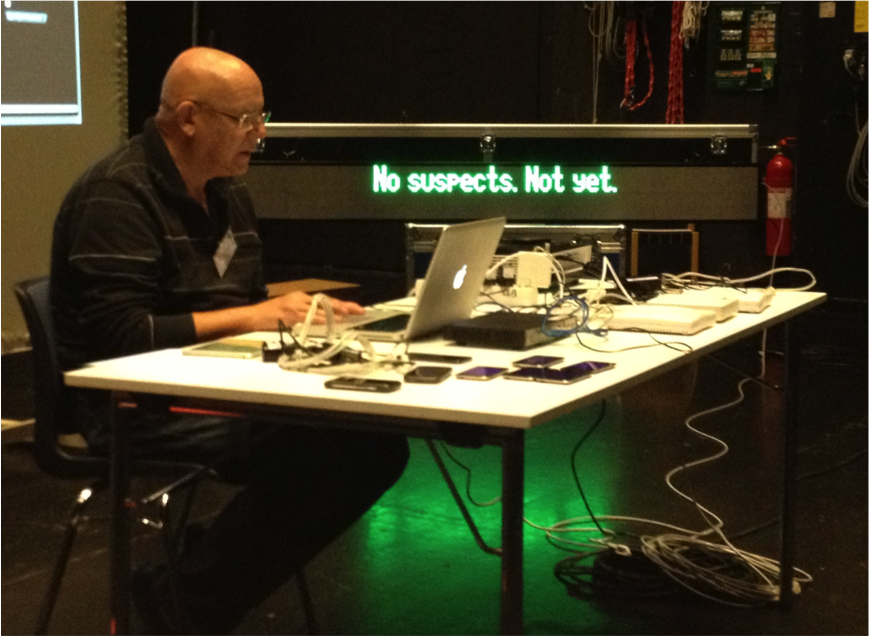
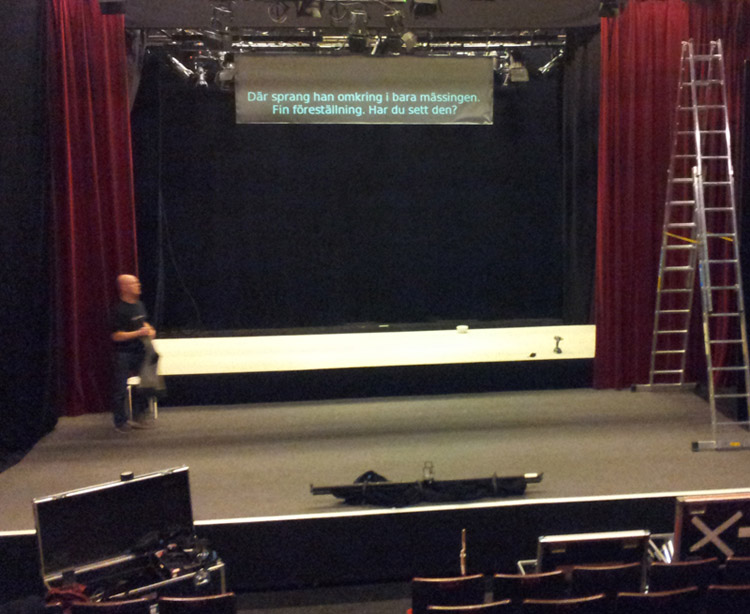
small theatres, using smartphones for closed captioning and LED displays or on-stage projection
for open captioning.
The solution also offers pre-recorded audio description, delivered to users' own
smartphones. This option was developed in a development project with the Royal
Swedish Opera in Stockholm.
For audio description and spoken subtitles for the screen, we are a reseller of a system called Moviereading. This system requires only your smartphone and the Moviereading app. The app listens to the audio from the film and synchronises the audio description. This solution is currently used in Denmark, Finland and Norway.
In order to keep up with the rapid development of
smartphones and other hardware, all our systems are built on standard hardware components.
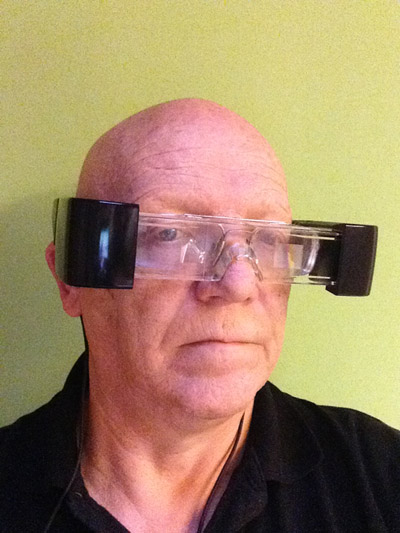
As an example, we have developed a captioning solution that uses virtual display glasses instead of smartphones.
Dogood AB was founded in 2009. Since then, Axity has been used for many productions at several theatres in Sweden, Finland and Denmark.
The app Thea has been downloaded by over 1,000 users.
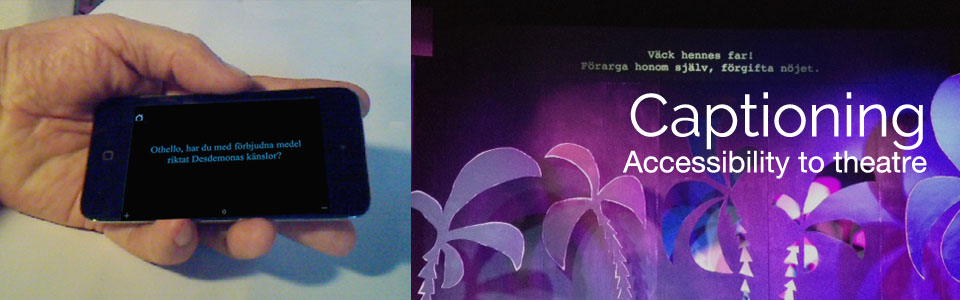
Captioning for the Stage
The target group is people with hearing disabilities or those in need of foreign-language support.
The system can send text to a range of presentation media, including smartphones, monitors, LED
displays and on-stage projection units. It is possible to use several media simultaneously and to
personalise the choice of language.
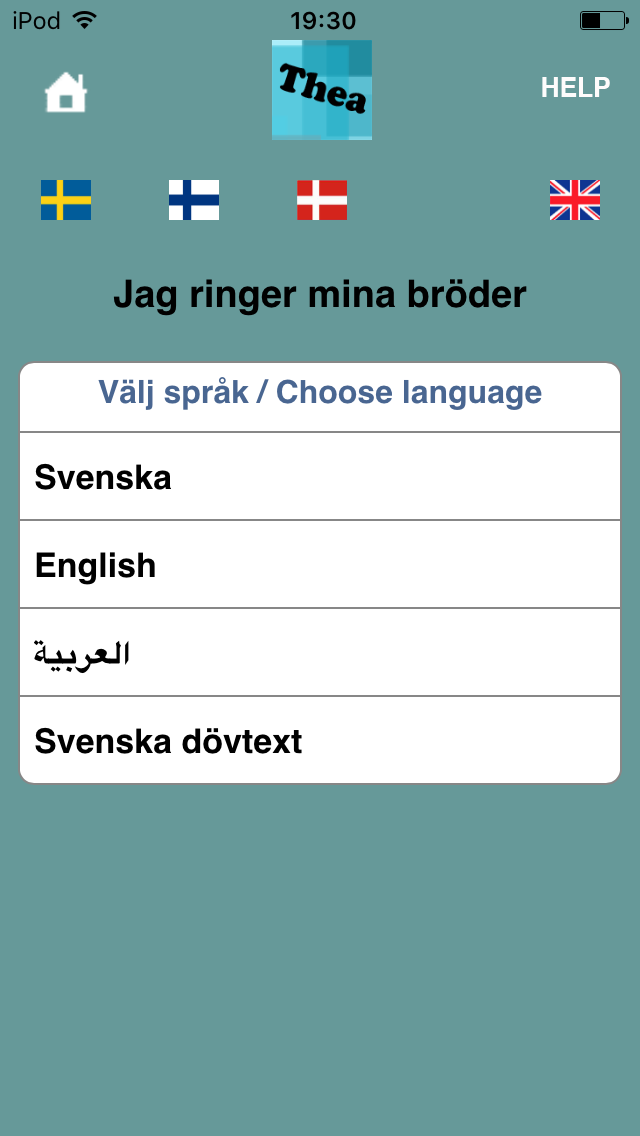
On smartphones, content is delivered via the app Thea, downloaded to the user's smartphone. The app is
available for iOS, Android and Windows Phone. Starting the app brings up a menu to select
the language. It is possible to have as many languages as needed for a given production.
Users with hearing disabilities are aided by different colours of text for different characters in the play.
LED displays often require a vendor-specific interface. We currently offer interfaces for some IP-based
LED displays. For HDMI- and DVI-based devices such as monitors and projectors, we
offer a small Linux-based adapter. This makes it possible to connect as many devices as needed, each with
its own language if required.
Different character sets can be used depending on the capability of
smartphones and displays. So far our app has been used for Latin, Arabic, Farsi, Turkish, Sami and Japanese.
When preparing the text, we use standard screen and television subtitling software. In this process
we use the script and a video of the performance. The output consists of editable files in a standard
captioning format. Minor changes can be made directly in the system.
Pre-recorded Audio Description for the Stage
It is possible to transmit pre-recorded audio description synchronised with the captioning,
without the need for an extra person. The pre-recorded audio description is divided into
a number of short segments. Each segment is set to play either at the same time as
a specific line or a few seconds later. Users receive the audio directly on their
smartphone, using the same app as for captioning.
It will complement the display above the stage (controlled by Axity).
As with captioning, it is possible to have audio descriptions in more than one language.
Pre-recorded Audio Description and Spoken Subtitles for the Screen
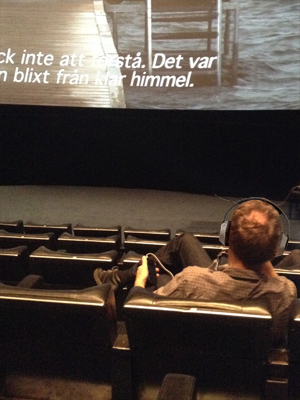
Audio description for the screen works differently from the closed captioning solution. The app downloads a film package containing the audio description files and a compressed version of the film's soundtrack. The app listens to the audio from the screen and, using a technique called fingerprinting, works out — to within a second — how far into the film it is. It then uses this to play the audio file in sync with the film.
For people with dyslexia, who may struggle to read subtitles at the pace they're
displayed, spoken subtitles can be used in the same way as audio description.
Dogood AB is the Nordic reseller of Moviereading, a system developed by Universal Multimedia Access. Moviereading is now used in Finland, Denmark
and Norway.
Plans for the Future
We have long followed the development of Google Glass and other smart glasses — devices
designed for augmented reality. We're interested in glasses that can display text on a virtual
screen, which would be a better solution than smartphones for closed captioning. Together with a
student project, we've developed an app for Android-based glasses from Epson. The drawback is that
these glasses are still fairly expensive, but we hope to see more smart glasses vendors enter the
market in the near future.
Since our system is built on standard hardware, we keep a close eye on the market and are always
ready to adopt improved versions of existing smartphones, smart glasses or new devices.
Projects
Click on a picture for more information
Partners and Customers
Us
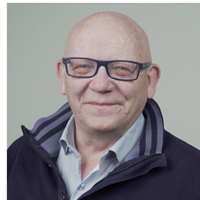
Per Liljeqvist
CEO
Extensive experience developing support systems for telecom services and IP-based services, as well as remote control systems for energy production and home automation.
Education: Master of Science from KTH in Stockholm.
Experience: Software development, IT systems development, IT architecture, project management, development of IP-based services, IT consultancy and service development
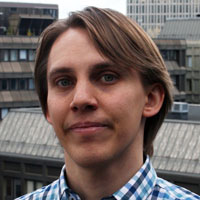
Martin Liljeqvist
CTO
Technical generalist with extensive experience as a software development consultant.
Martin has worked across every stage of the development lifecycle: requirements, design, development, testing, continuous integration, deployment and maintenance.
At Dogood AB, Martin is the system architect responsible for deciding which technologies and tools to use. He is also the creator of the Axity server.
Education: Master of Science from Chalmers in Gothenburg
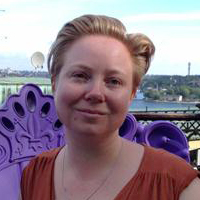
Linnéa Skog
Project Coordinator
Linnéa has broad experience in the field of accessibility for the performing arts. This includes
surtitling, captioning and audio description for a wide range of target groups. During the
"Surtitling Project – Access through App and Display" (2011–2013), funded
by the Swedish Post and Telecom Authority, Linnéa worked as project coordinator,
responsible for audience-related activities, testing, reporting and financial accounting. Since
2009, Linnéa has created access to over 20 productions, including two festivals.
Linnéa holds a Bachelor of Arts in Theatre Studies from Stockholm University, with a special
focus on audience research and reception studies. She has also studied on the Cultural
Management Studies programme at Stockholm University.